HIRING & ATS18 Oct 20268 min read
AI resume screening that keeps humans in charge
AI can read two hundred applications in the time it takes you to read two. The question is who decides. Here is how human-in-the-loop screening works and why it is fairer.
NBy the Navalyst team
Open Navalyst ATS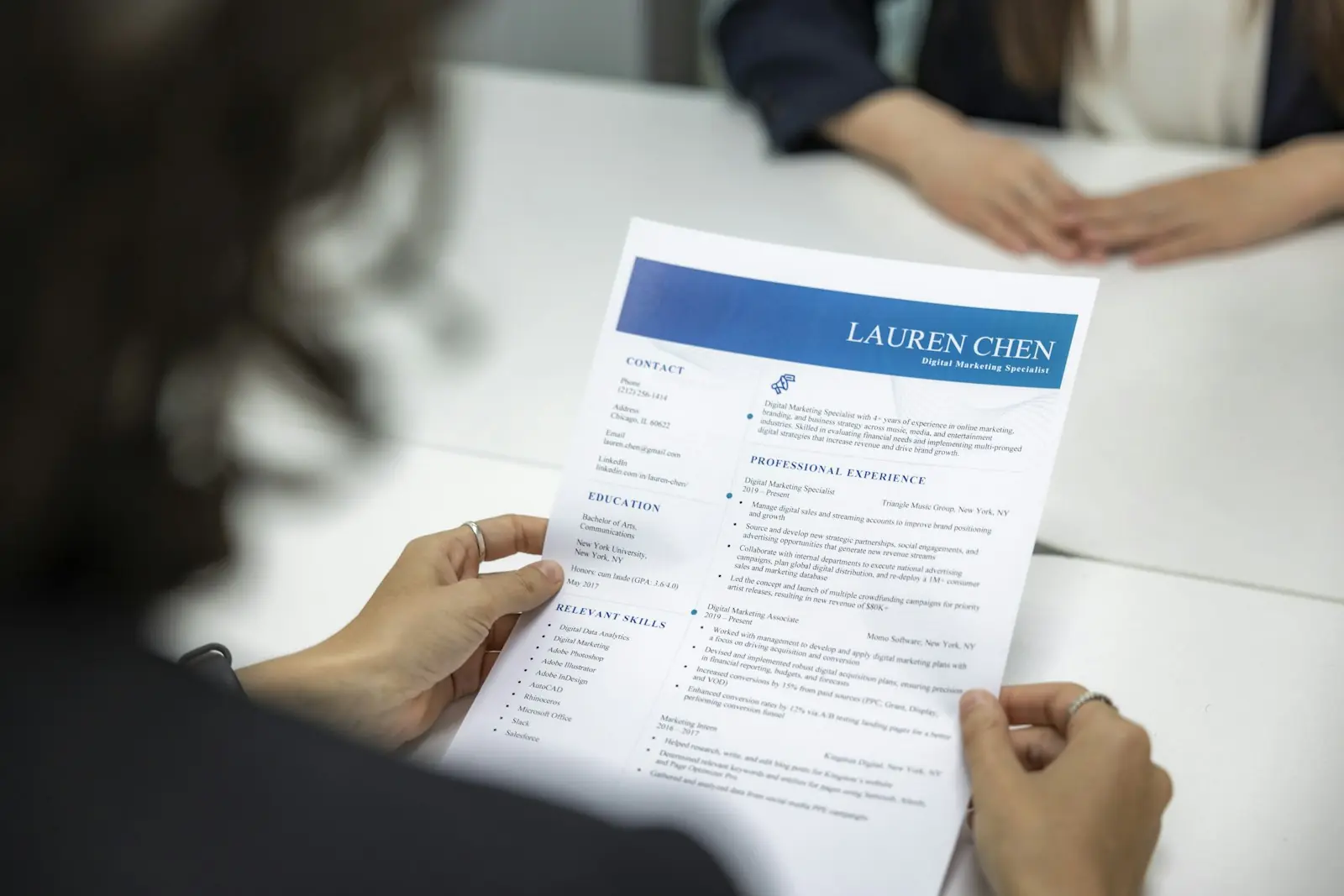
A single job post in Kathmandu can bring in hundreds of applications in a week. Most of them are read in a hurry, in the order they arrived, by someone who also has a day job. Good candidates get missed because they applied on a Tuesday, not because they were weaker.
AI-assisted screening promises to fix this. It also worries people, and rightly: an automated system that quietly rejects candidates is a legal and ethical problem waiting to happen. The answer is not to avoid AI, but to design it so that it suggests and people decide.
What the AI should do
- Read every application against the role's must-haves and nice-to-haves.
- Score and rank candidates, with the reasons written in plain language.
- Summarise a CV into a few lines so a recruiter can scan quickly.
- Flag gaps or questions worth asking in the first call.
What the AI should never do
It should never reject anyone on its own. A score is a suggestion, a ranking is a reading order, and a flag is a prompt. Every move out of the pipeline, every rejection, is a person's decision, recorded with their name on it.
A fair screening workflow
- 1
Define the role clearly
List the real must-haves and the nice-to-haves. Vague roles produce vague scores.
- 2
Let the AI rank and explain
Candidates arrive sorted, each with a short summary and the reasons behind the score.
- 3
A person reviews the top and the borderline
Read the top candidates, and look at the borderline cases where the AI is least certain.
- 4
Decide and record
Advance or decline with a note. The decision and who made it stay on the record.
Why this is fairer than reading by hand
A tired reader is inconsistent: the fiftieth CV is judged more harshly than the fifth. A system that applies the same criteria to every application, and shows its reasoning, is easier to audit and easier to improve than a gut feeling.
Navalyst ATS is built this way: an AI copilot that screens, summarises and flags what needs attention, while your team makes every decision. Book a walkthrough and we will show it on one of your own roles.
- AI screening
- Human-in-the-loop
- Recruiting